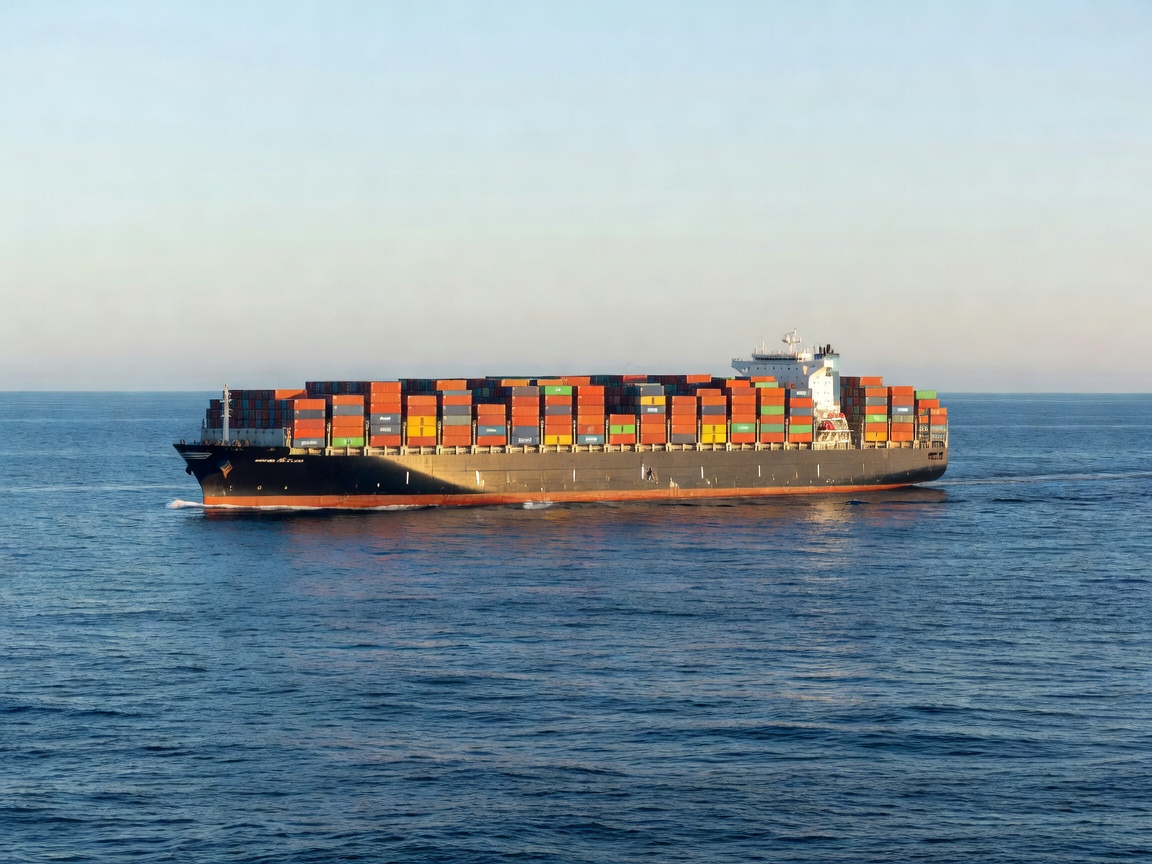
Ultra-Large Container Vessels (ULCV)
The undisputed giants of the sea. These vessels require specialized deep-water ports and massive shore-based infrastructure to achieve unparalleled economies of scale on major East-West trade routes.
Explore the strict classifications, structural engineering, and operational economics of modern container ships.
View Technical Guides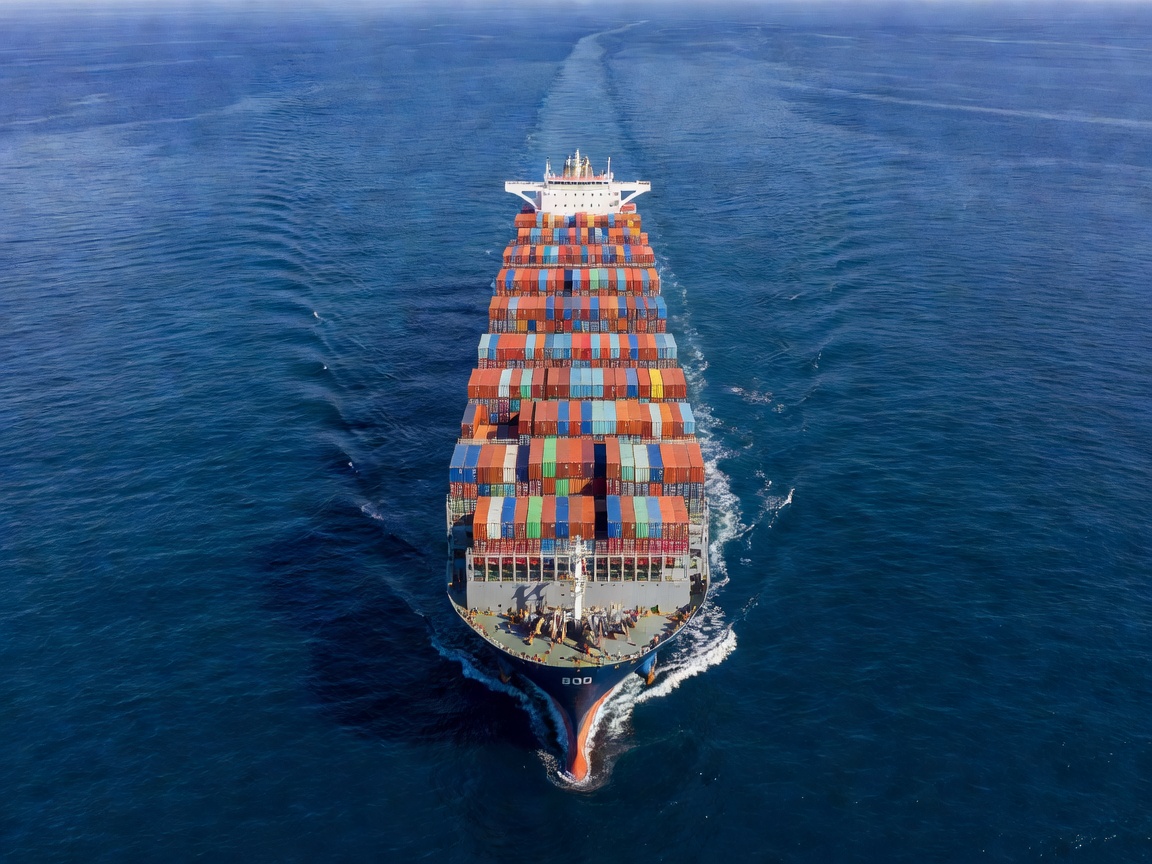
From intercontinental megaships to regional transport vessels, understand the categories that define maritime logistics.
The undisputed giants of the sea. These vessels require specialized deep-water ports and massive shore-based infrastructure to achieve unparalleled economies of scale on major East-West trade routes.
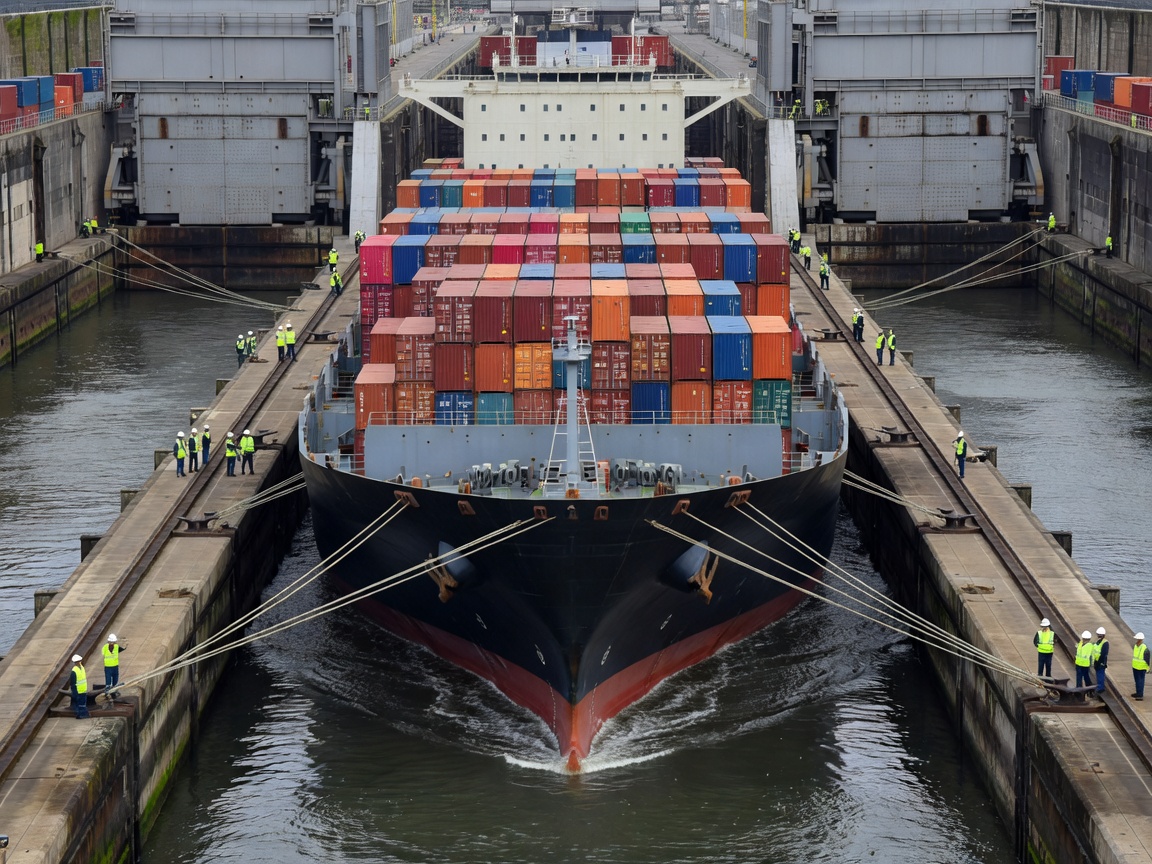
Engineered precisely to the physical limitations of the Panama Canal. The expansion of the canal redefined this class, introducing the Neo-Panamax dimensions that shifted global supply chain strategies.
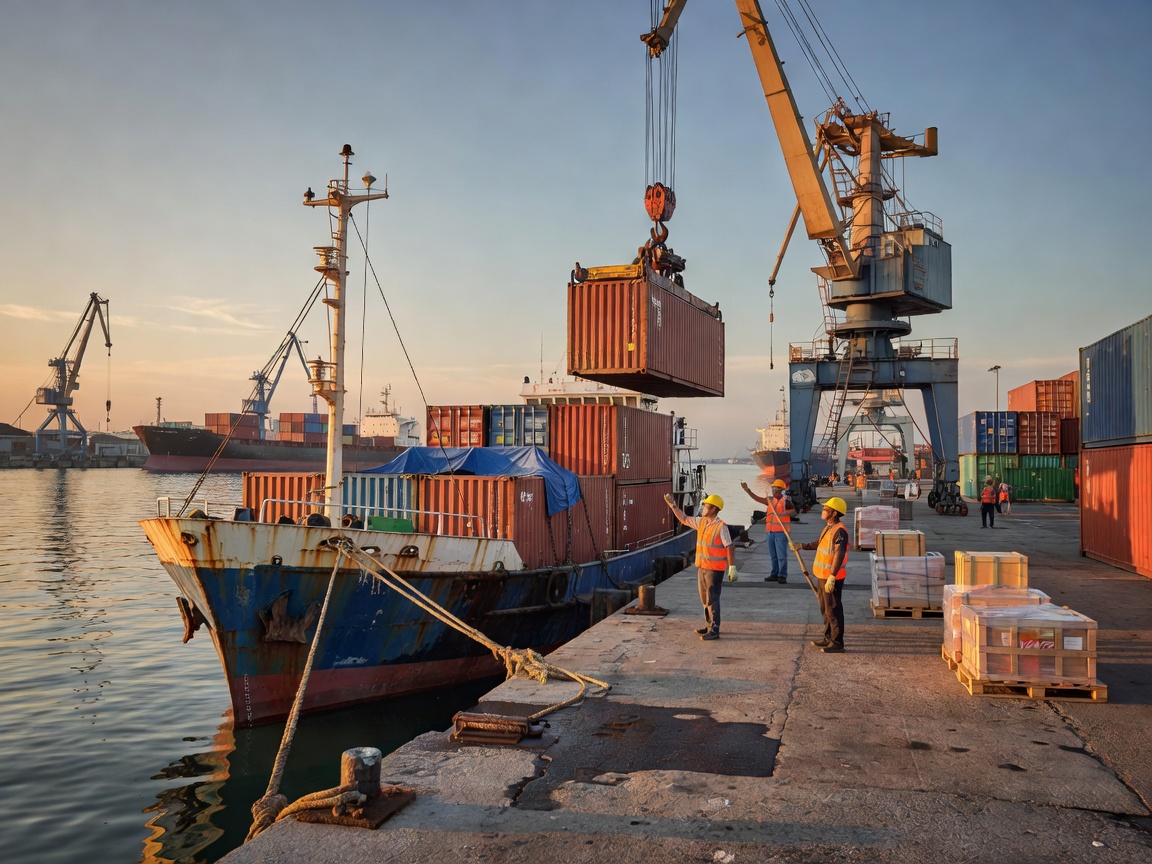
The critical link in the hub-and-spoke model. Feeder vessels navigate shallow waters and smaller ports, distributing cargo from deep-water hubs to localized coastal and inland destinations.
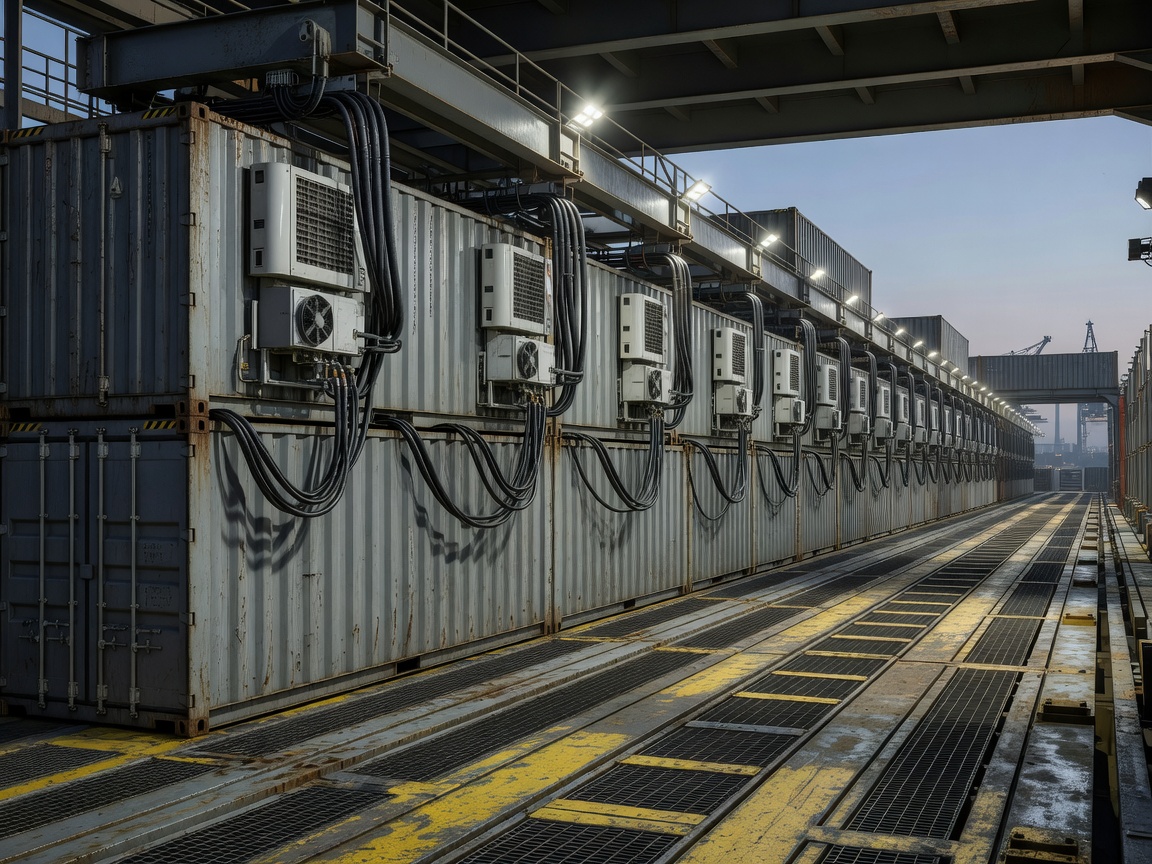
Focusing on the specialized electrical and cooling demands of reefer units. Modern container ships have largely replaced traditional reefer ships by allocating high-capacity power banks to standard cellular bays.
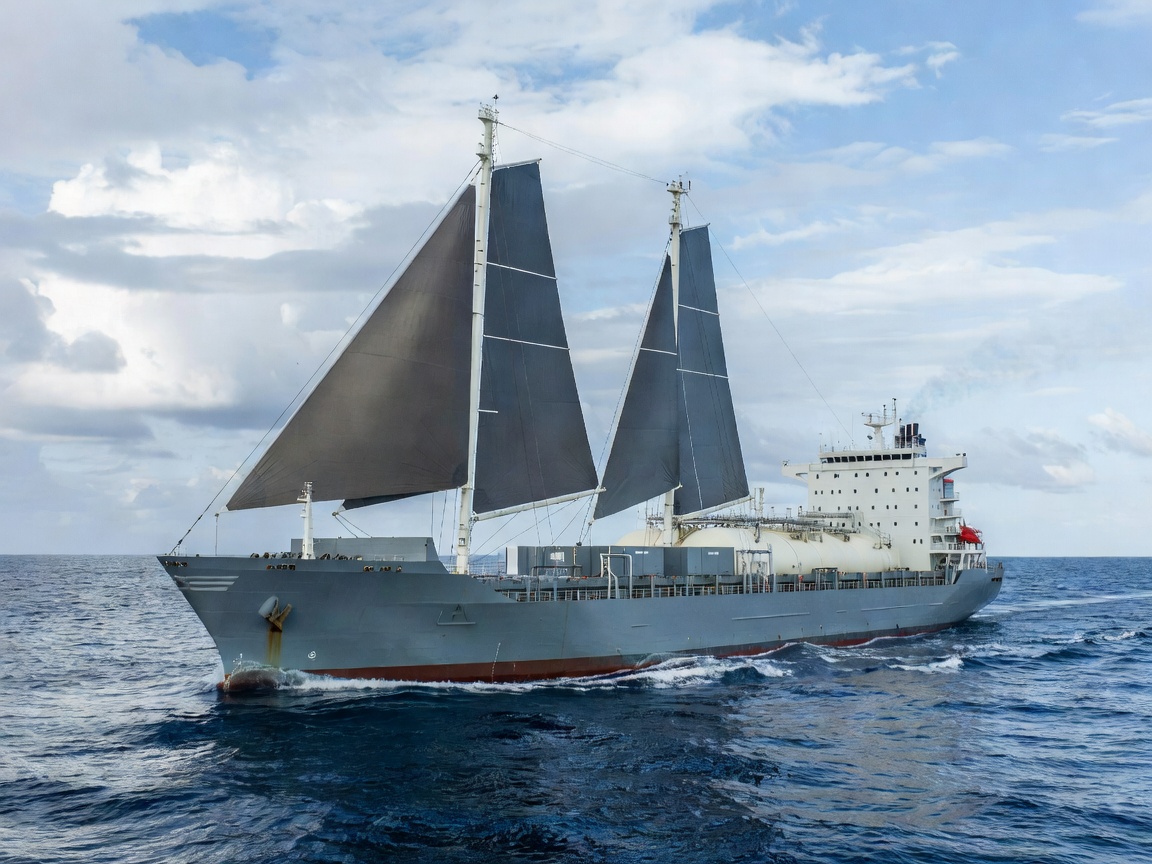
An analysis of the maritime industry's transition away from heavy fuel oil. Evaluating LNG, methanol, ammonia, and wind-assist propulsion mechanisms amidst tightening global emissions regulations.
Containerization fundamentally transformed global trade economics in the late 20th century. By standardizing the metal box—primarily into Twenty-foot Equivalent Units (TEU)—the industry virtually eliminated break-bulk handling times.
Today, the pursuit of lower slot costs drives the construction of ever-larger vessels. However, this scaling introduces severe chokepoints in port infrastructure, canal capacity, and hinterland logistics networks. Vaultsquirkvault provides rigorous analysis of these operational trade-offs.