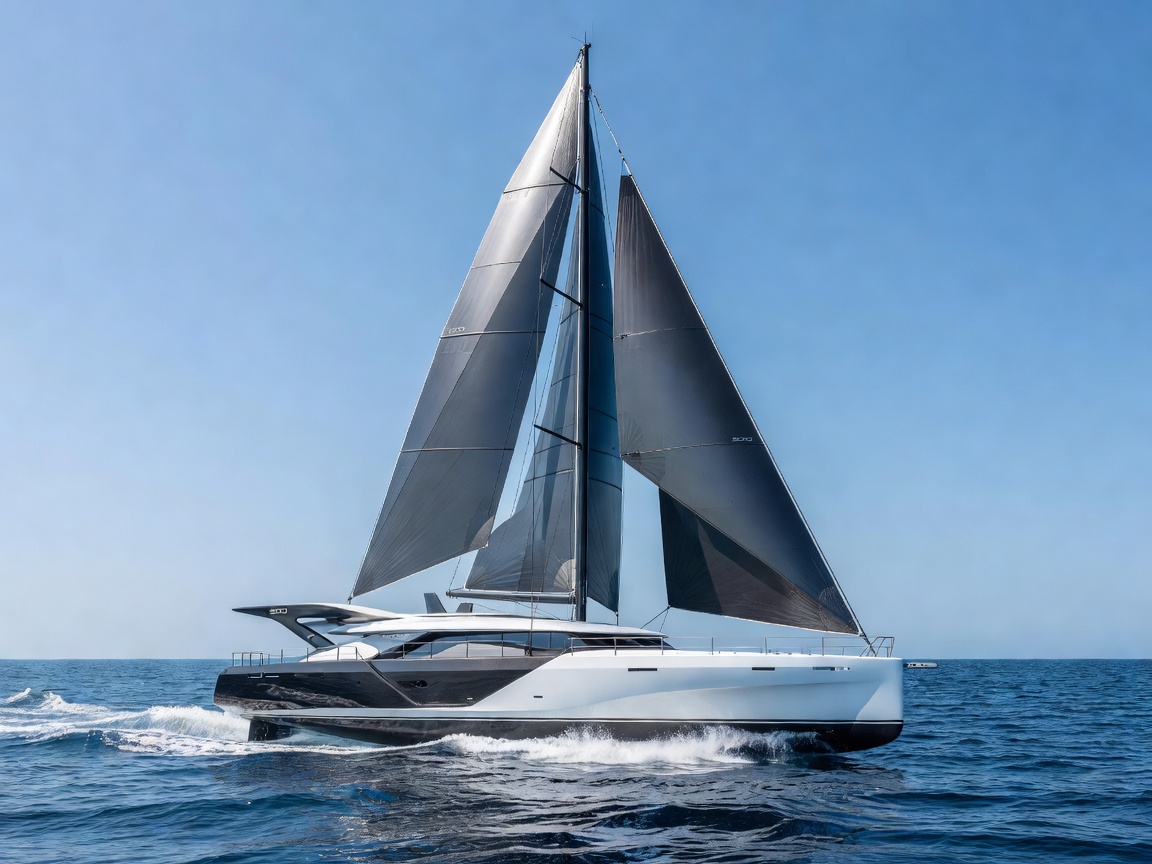
The End of Heavy Fuel Oil
For decades, commercial shipping has relied on Heavy Fuel Oil (HFO), a viscous, tar-like residual product of crude oil refining. While incredibly cheap and energy-dense, HFO produces severe sulfur oxide (SOx), nitrogen oxide (NOx), and particulate matter emissions.
The International Maritime Organization (IMO) has implemented strict regulations, most notably IMO 2020 (which capped sulfur content) and the Energy Efficiency Design Index (EEDI). To meet these mandates, and the long-term goal of net-zero emissions by or around 2050, the industry is undergoing a radical technological overhaul.
Alternative Fuel Transition
The transition is not linear. There is no single "silver bullet" fuel to replace HFO; rather, carriers are investing in dual-fuel engines that can adapt as bunkering infrastructure develops.
| Alternative Fuel | Current Status | Pros and Cons |
|---|---|---|
| Liquefied Natural Gas (LNG) | Widely Adopted | Virtually eliminates SOx and particulate matter. However, it is a fossil fuel and suffers from "methane slip," limiting its long-term viability. |
| Green Methanol | Scaling Rapidly | Carbon neutral if produced via renewable energy. Easy to handle at ambient temperature. Disadvantage: Lower energy density than HFO. |
| Ammonia (NH3) | R&D Phase | Contains no carbon, zero CO2 emissions. Disadvantage: Highly toxic, requiring completely new safety protocols and engine designs. |
Wind-Assisted Propulsion (WASP)
In a fascinating return to maritime roots, modern engineers are harnessing wind to supplement engine power. Wind-Assisted Ship Propulsion (WASP) technologies do not replace the main engines but reduce the load on them, yielding fuel savings of 5% to 20%.
- Flettner Rotors: Large, vertical spinning cylinders mounted on the deck. Thanks to the Magnus effect, wind moving across the spinning cylinder generates forward thrust.
- Rigid Sails: High-tech aerofoils (similar to upright airplane wings) made of composite materials. They automatically trim themselves via computer control to catch the optimal wind angle.
- Air Lubrication Systems: Rather than utilizing wind, this system pumps a carpet of micro-bubbles under the ship's flat bottom. This drastically reduces the frictional resistance of the water against the hull.
Slow Steaming and Digital Optimization
Beyond hardware, operational changes offer immediate emissions reductions. "Slow steaming"—deliberately operating the vessel below its maximum speed—drastically cuts fuel consumption because the relationship between speed and fuel burn is exponential, not linear. Dropping speed by 10% can reduce fuel consumption by nearly 30%.
Coupled with artificial intelligence platforms that analyze ocean currents, weather patterns, and port congestion in real-time, captains can implement "Just-In-Time" arrivals. Instead of rushing across the ocean only to drop anchor and burn fuel waiting for a berth, digital optimization ensures the ship arrives exactly when the cranes are ready.
The Investment Horizon
The cost of decarbonization is immense. Retrofitting an existing vessel for alternative fuels is often economically unviable, leading to accelerated scrapping of older, inefficient tonnage. As the supply chain absorbs the premium costs of green methanol and ammonia, these expenses will inevitably reflect in the slot costs paid by shippers, reshaping the economics of global trade over the coming decade.